
Website preview · Little Crane Montessori School
Previewing at
Little Crane Montessori School Logo - Ridgewood, NJRidgewood NJ Bergen County

After School Enrichment Programs, Age 2.5 to 6.

A look at how children spend the afternoon hours, from chess to cooking to music.

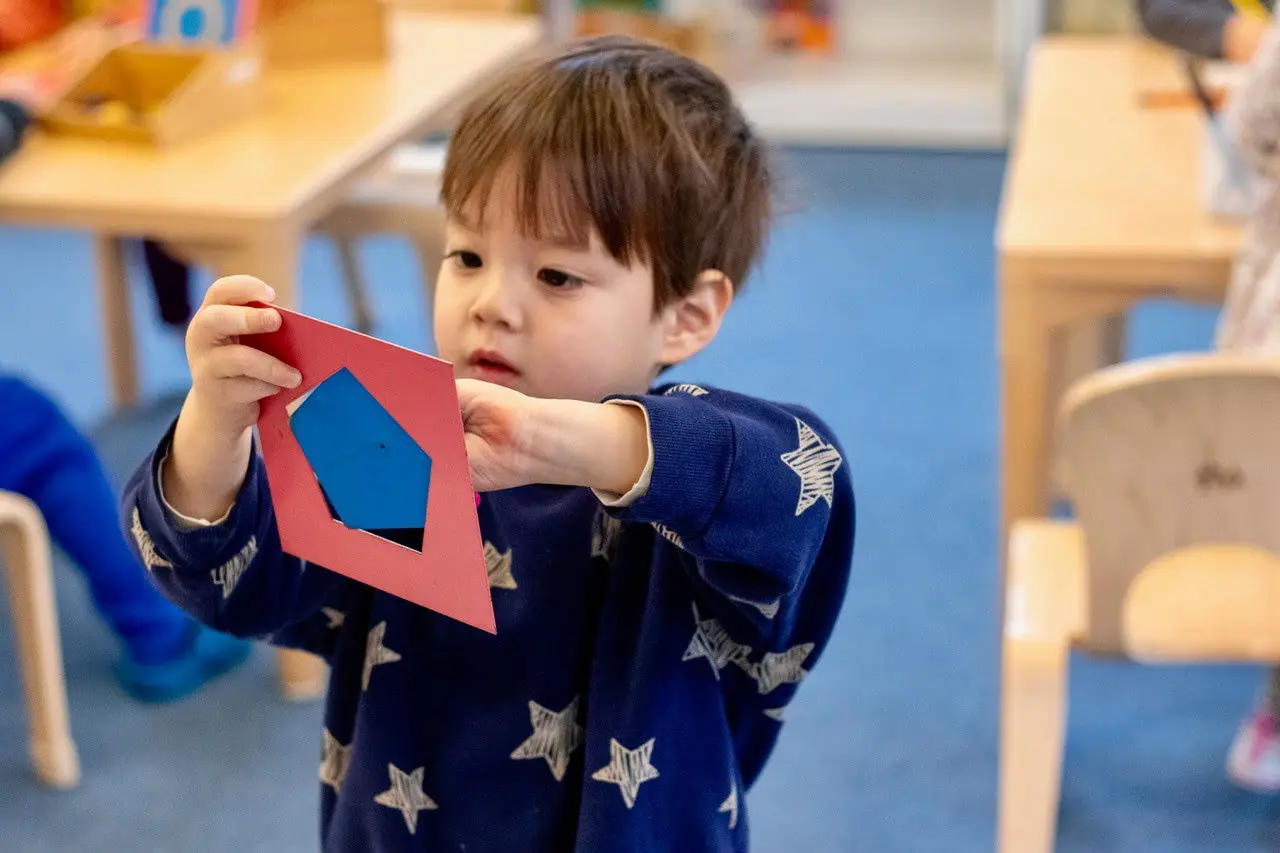
A young boy in a blue star-patterned sweater holds up a red paper cutout with a blue pentagon shape inside while standing in a classroom.

The After School Enrichment Programs room

After the morning work cycle ends, the room changes shape. Tables are cleared and materials for chess, cooking, music, coding, and art come out. Children move between activities at their own pace, staying with one thing as long as it holds them.

A child might spend the afternoon measuring and mixing at the cooking table, then settle into a chess game with a friend. Another might draw, fold origami, or practice a yoga pose on the rug. The room stays calm and social, with teachers nearby to help when needed.

Over time, these afternoons build real skills. Children learn to sit with a problem, take turns, and try again after a mistake. They gain confidence from finishing something they chose.

What to expect

Unlock Your Child's Potential with Little Crane Montessori After School Programs

The afternoon program offers chess, raw food cooking, movement, music, coding, and art. Children choose what draws them in. Teachers keep the pace unhurried so a child can stay with one activity and go deep. The mix is designed to hold attention and keep curiosity alive.

A Day in Our Program

From 2:45 to 4:00, the afternoon unfolds with activities shaped by what children want to explore. A child might research animals in an encyclopedia, draw, write creatively, fold origami, or practice yoga. The setting stays relaxed and social, with room for both focus and conversation.

Chess

Chess asks children to think ahead and hold a plan in mind. They learn to sit with a position, consider the other player, and stay calm when the game turns. Winning and losing both build confidence over time. The skills carry into schoolwork and daily problem-solving.

Raw Food Cooking

In raw food cooking, children measure, mix, chop, and taste. They handle real ingredients and see what happens when things come together. The work is hands-on from start to finish. Along the way, they build healthy eating habits and a sense of what they can make themselves.

Movement

Movement gives children a way to use their whole bodies. They build gross motor skills and coordination through games and physical play. Teamwork and problem-solving come up naturally as they work together. The activity lifts confidence and lets children feel capable in motion.

Music

Music lets children express themselves through instruments and singing. They learn to listen to each other and stay together in a group. The activity helps regulate emotions and build connection. Over time, they develop an appreciation for music that stays with them.

What this looks like in practice

In a typical after-school program, children transition from the school day into a less structured afternoon. They choose from activities like chess, cooking, movement, music, coding, and art. Teachers set out materials and stay nearby. The afternoon runs from 2:45 to 4:00, with time built in for both doing and talking.

Parents often notice the benefits at home. A child who cooked at school may help in the kitchen. One who played chess may sit longer with a puzzle. Music and movement can help children settle after a busy day. The confidence from finishing something they chose carries into the evening.

See this room in person

Request a visit
LC
Hi! I'm Little
How can I help you today?
LC
Little Crane Montessori School Assistant
Ask about tours, programs, and enrollment.
Hi! I can help with Little Crane Montessori School questions.
Powered by EnrollIQ